Forestry planning underway for Pooley and Susan Islands
Planning is underway for upcoming forestry activities on Pooley and Susan Islands, with harvesting anticipated to begin in late fall or early winter.
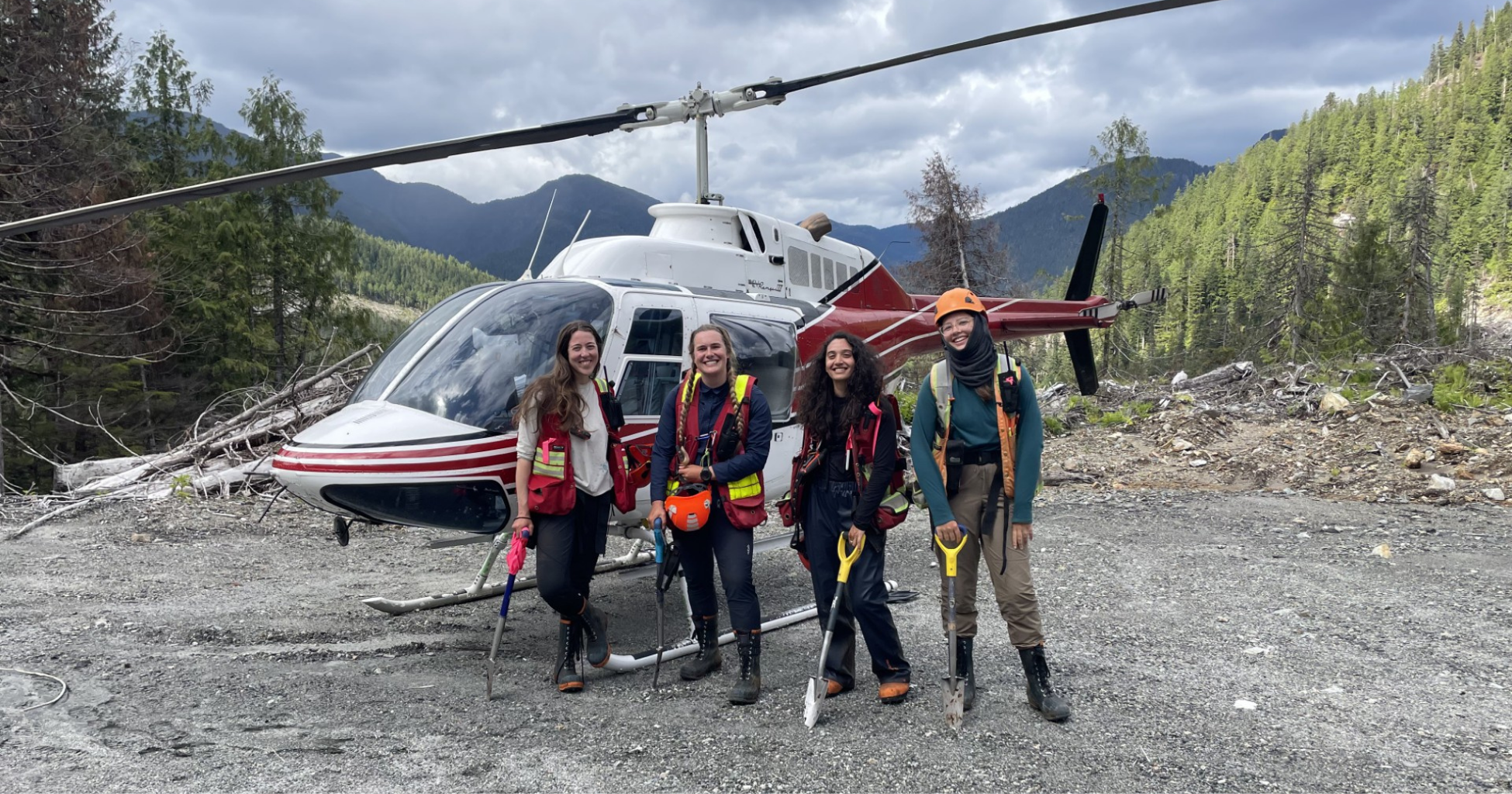
Before any harvesting begins, extensive planning, field assessments, and environmental and cultural reviews are taking place. Each proposed harvest area is being carefully evaluated to help ensure forestry activities reflect Kitasoo Xai’xais values, protect cultural heritage, safety ecological features, and support the long-term health of the forest.
For Kitasoo Forest Company (KFC), responsible forest management is not just about what happens during harvesting. It begins long before a tree is cut and continues through replanting, monitoring, and forets renewal.
BEFORE HARVEST: PLANNING WITH CARE
1. PROTECTING CULTURAL HERITAGE
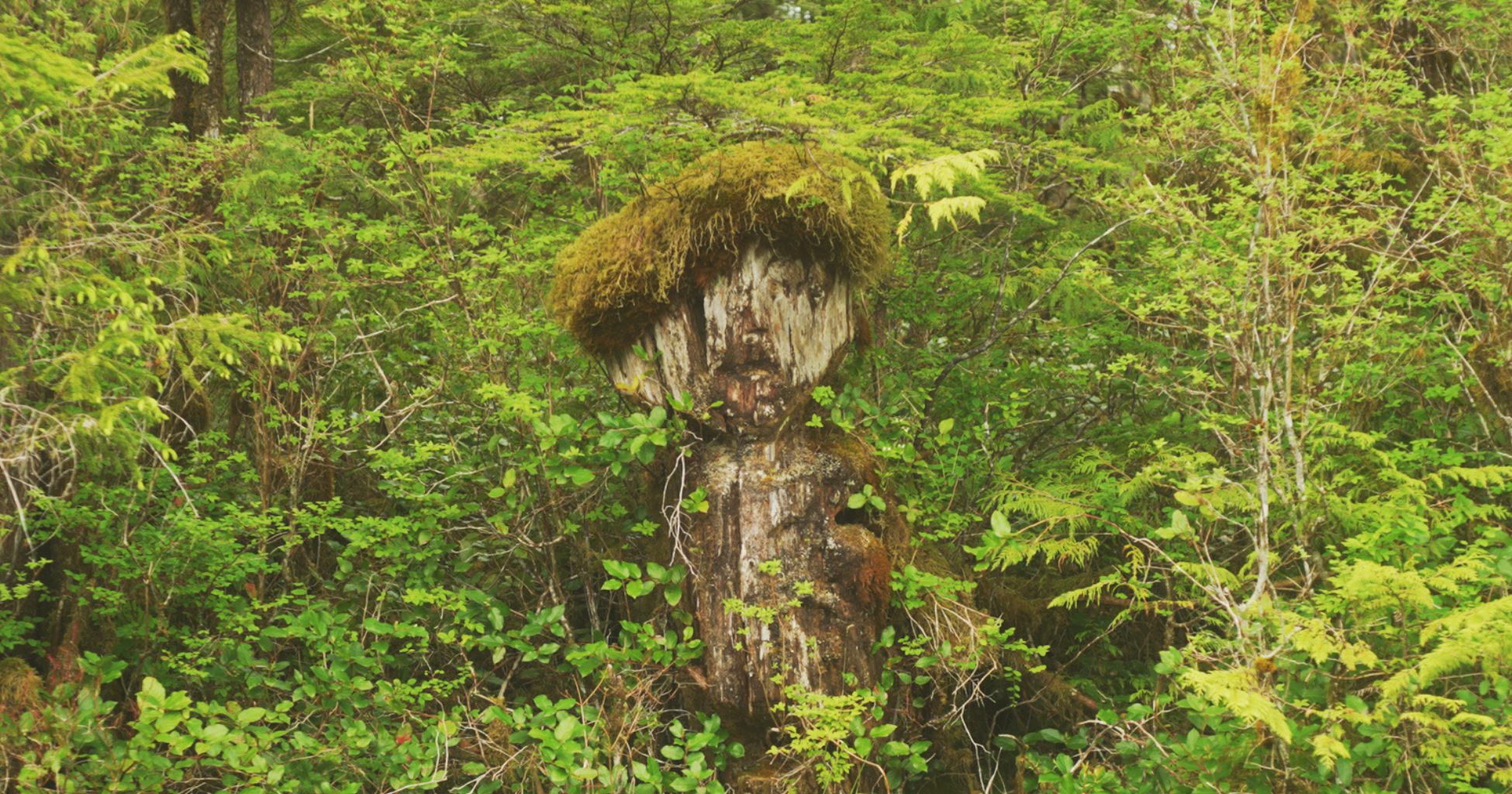
Every proposed cut block has been assessed by the Kitasoo Xai’xais Stewardship crew to identify Indigenous Forest Resources and culturally modified trees (CMTs).
Confirmed CMTs have been excluded from proposed harvest areas, with additional buffers established to help protect them from potential logging damage and withdrow.
Why it matters: Cultural heritage is an essential part of the territory. Identifying and protecting these features before harvesting helps ensure that forestry planning respects the history, knowledge, and cultural values of the Kitasoo Xai’xais Nation.
2. CARING FOR FISH HABITAT & STREAMS

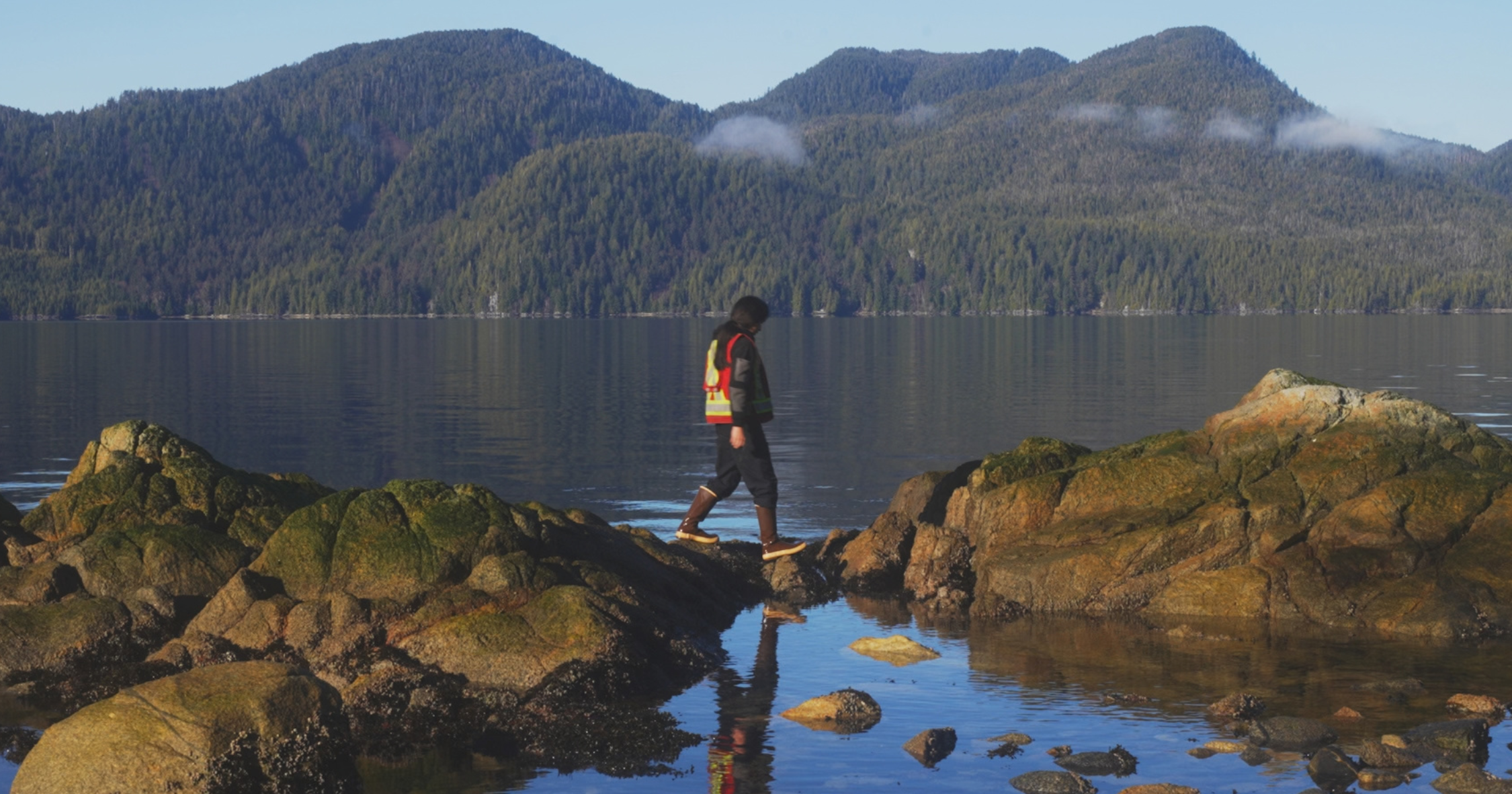
Fish habitat assessments have been completed across the proposed harvest areas. Appropriate buffers have been established around fish-bearing streams to help protect waterways and aquatic ecosystems.
Why it matters: Healthy forests and healthy waterways are connected. Protecting stream areas helps maintain important fish habitat and supports the broader ecological health of the territory.
3. PLANNING FOR TERRAIN SAFETY

Geotechnical assessments have been completed to identify areas of higher-risk terrain.
Where potential risks have been identified, these areas have been removed from proposed harvest areas to help reduce the potential for forestry-related landslides and other terrain impacts.
Why it matters: Understanding the landscape before operations begin helps KFC make informed decisions about where forestry activities can and cannot safety take place.
4. SUPPORTING FOREST RENEWAL

Each proposed block has undergone an ecological assessment. The information gathered through these assessments will help guide species selection and future tree-seedling planting prescriptions.
Why it matters: Forest renewal starts with understanding the conditions of the site. The right species and regeneration approach can help establish healthy, resilient forests for the future.
5. RESPECTING ARCHAEOLOGICAL HERITAGE

Archeological surveys are currently underway and was completed last month, September.
These surveys form another important part of the planning process, helping identify and protect archeological resources before forestry activities begin.
Why it matters: Protecting archeological heritage ensures that important cultural and historical resources are considered before decisions are finalized.
6. PRESERVING THE LANDSCAPE
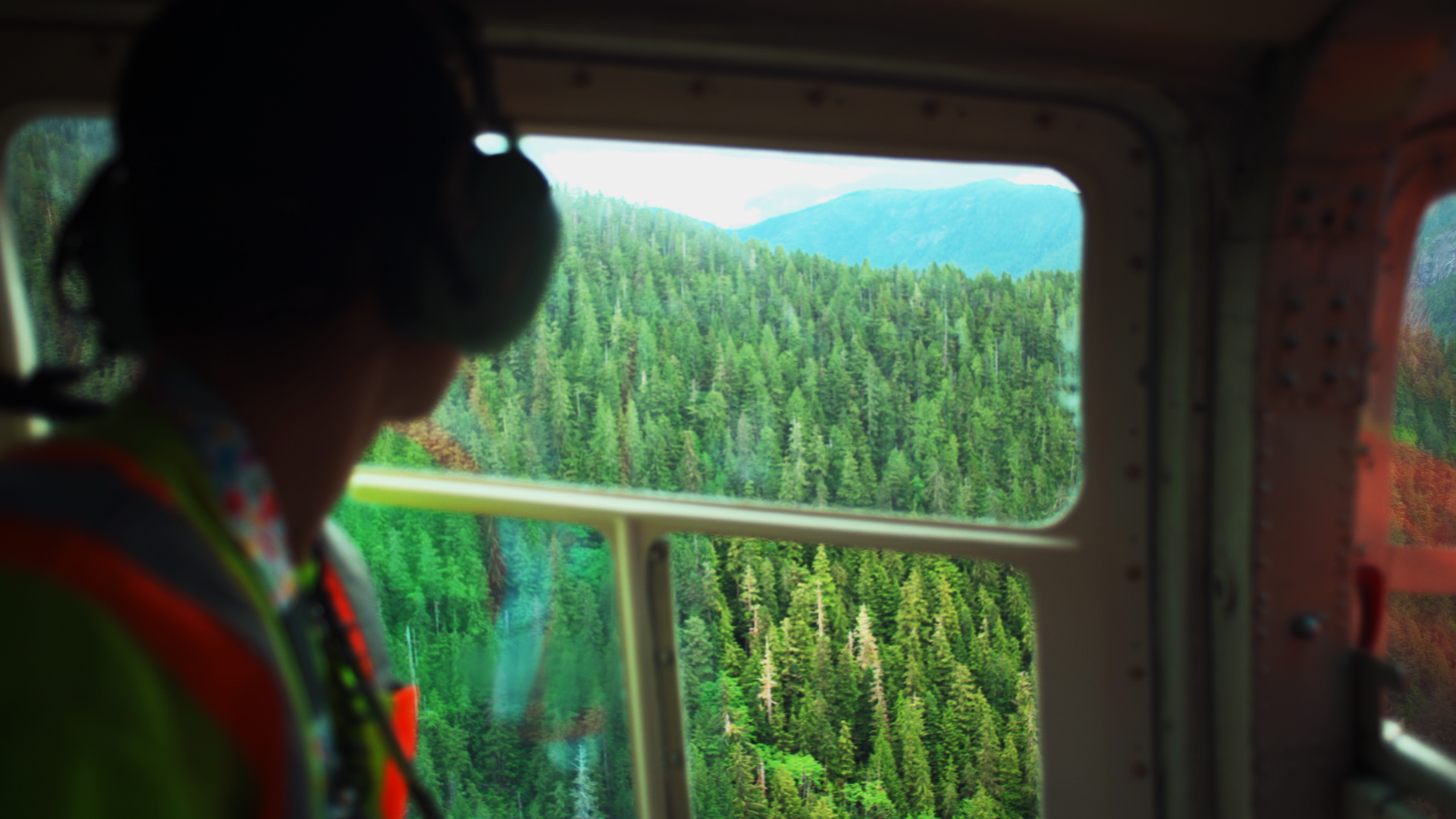
Proposed harvest blocks have also been carefully designed to minimize their visual impact from the shoreline.
Future harvest areas have been modeled using specialized software to help assess how proposed activities may appear from important visual landscapes and to limit potential visual impacts.
Why it matters: The landscape is an important part of the experience and identity of the territory. Planning for visual impact helps maintain the character of the surrounding environment.
FOREST MANAGEMENT DOESN’T END AFTER HARVESTING
Responsible forest management continues long after harvesting is complete.
May, all blocks harvested last year were replanted. Over six days, tree planters planted 85,380 seedlings consisting of yellow cedar, western red cedar, and Sitka spruce.

While replacing is required within two years, KFC typically replants harvested areas within a year or less, keeping regeneration efforts well ahead of the required timeline.
But planting trees is only the beginning.
MONITORING THE NEXT GENERATION OF FORESTS
In May, KFC also completed its silviculture survey program, assessing blocks harvested between one and ten years ago.
These surveys help monitor how young trees are growing, identify potential issues early, and determine whether new forest stands are developing as expected.
This long-term monitoring helps inform future silvicultural decisions and supports the development of healthy, resilient forests over time.
FROM PLANNING TO RENEWAL
Responsible forestry is continuous process:

Every stage provides an opportunity to make informed decisions, reduce potential impacts, and support the continued health of the forest.
From cultural heritage assessments and fish habitat protecting to terrain planning, archeological surveys, timely replanting, and long-term monitoring, this work reflects KFC’s commitment to managing forest resources with care and in alignment with Kitasoo Xai’xais values.
Because forests are more than trees.
They are part of the land, the waters, the culture, and the future of the Nation.
STAY CONNECTED
Want to learn more about KFC’s forest operations, stewardship work, and forest renewal efforts?
Follow Kitasoo Forest Company on social media for updates from the field and future forestry activities.
Facebook: facebook.com/kitasooforestcompany/
Instagram: instagram.com/kitasooforestcompany/
Information current as of August 2026.